Moving from a prototype to production is a critical step for product-based businesses in South Africa. 3D printing is ideal for prototypes and low-volume runs, but as volumes grow, the economics often shift toward injection moulding, CNC machining, or other traditional methods. This guide explains when to use 3D printing, when to switch, and how to scale without wasting time or money—including the role of bridge tooling and local manufacturing.
Stage 1: Concept and Early Prototypes
In the earliest stages, speed and flexibility matter more than unit cost. 3D printing lets you go from CAD to physical part in days, iterate quickly, and test form, fit, and function without tooling. FDM, SLA, and SLS all have a place depending on detail, strength, and surface finish. Many South African startups and product developers use local 3D printing services for this phase—getting multiple iterations per week at a fraction of the cost of machining or moulding.
Stage 2: Design for Manufacture (DFM)
As the design stabilises, start thinking about how it will be made at scale. Parts designed only for 3D printing may need changes for injection moulding: draft angles, uniform wall thickness, and simplified geometry to reduce tooling cost. Involving a manufacturer or design-for-manufacture review early avoids costly redesigns later. Some 3D printed prototypes can be very close to the final moulded part; others will need adjustment. Plan for a "production intent" prototype that reflects the manufacturable design.
Stage 3: Low-Volume and Bridge Production
Before committing to tooling, you may need 50–500 or 1,000+ units for market testing, crowdfunding fulfilment, or early sales. 3D printing can cover this "bridge" phase: same or similar geometry, acceptable unit cost for the volume, and fast turnaround. SLS and FDM are often used for these runs in South Africa. Alternatively, soft tooling (e.g. silicone or low-volume aluminium moulds) can be used for a few hundred to a few thousand parts if the geometry suits. The goal is to validate demand and design before investing in hard tooling.
Stage 4: Scaling to High Volume
When volumes justify it (often thousands of units per year per part), injection moulding usually offers the lowest per-unit cost. Tooling is a significant upfront investment but pays off at scale. CNC machining is an option for metal parts or lower volumes where tooling doesn’t pay. 3D printing doesn’t disappear—it remains useful for jigs, fixtures, custom tooling, and spare parts, and for new product development. Some companies keep a "digital inventory" and 3D print spares or variants on demand instead of stocking them.
Staying Local vs Offshoring
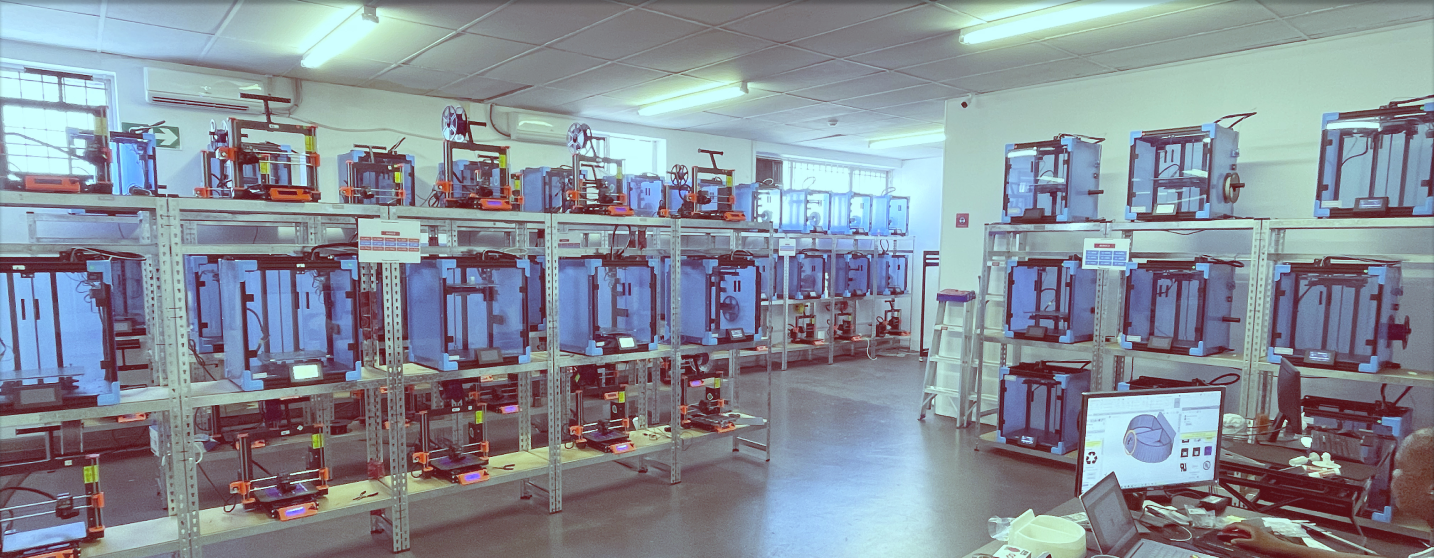
South African manufacturers can support the full path: 3D printed prototypes and bridge production locally, with tooling and high-volume production either local or offshore depending on cost and complexity. Keeping prototyping and early production local shortens feedback loops and supports faster iteration; you can still move to offshore moulding when the numbers make sense. Partnering with a local 3D printing and manufacturing provider like 3D Printing Village gives you one point of contact from first prototype to production advice.
Summary
Use 3D printing for speed and flexibility in prototyping and for low-volume and bridge production. Design for manufacture as the design matures, and switch to moulding or machining when volume and cost justify it. 3D printing continues to support tooling, spares, and new product development. For more on cost drivers at different volumes, see cost of 3D printing: what really affects price; for the bigger picture on local manufacturing see the future of manufacturing in Africa.