Understanding what drives the cost of 3D printing helps you budget accurately and make choices that keep projects affordable. In South Africa, 3D printing prices depend on material, part size and geometry, quantity, turnaround time, and post-processing. This guide breaks down these factors so you know what really affects the price—and how to reduce it when it matters.
Material Cost
Different materials cost different amounts per kilogram (or per litre for resin). PLA and basic ABS are usually the cheapest FDM options. PETG, Nylon, and engineering filaments cost more. Resins (SLA) and powders (SLS) are typically more expensive per unit volume than FDM filament. Metal 3D printing is the highest cost. Choosing a material that meets your requirements without over-specifying keeps cost down—your supplier can suggest alternatives if you share the application.
Part Size and Geometry
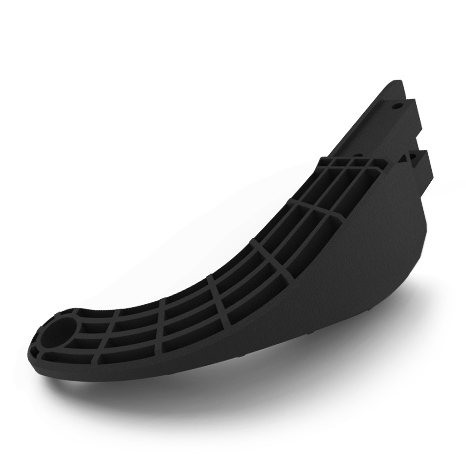
Size affects cost because it determines how much material is used and how long the machine runs. Larger parts consume more material and machine time. Geometry matters too: complex parts with supports (FDM, SLA) need more material and labour for support removal; hollow parts use less material than solid ones. Optimising wall thickness and avoiding unnecessary mass can reduce cost without sacrificing function. Some suppliers charge partly by build volume or by estimated print time, so a compact, efficient design often costs less.
Quantity and Batch Pricing
Single parts usually have a higher per-unit cost because of setup and handling. Larger quantities spread fixed costs and often qualify for volume discounts. The relationship isn’t always linear: the first unit might be relatively expensive, and the next several might be cheaper per part until you hit the point where another technology (e.g. injection moulding) becomes more economical. Ask your supplier for a quote at different quantities to see the curve.
Turnaround Time
Standard turnaround (e.g. 3–5 days) is typically the baseline price. Rush or express service (24–48 hours) often carries a premium because it prioritises your job and may require overtime or expedited logistics. If your deadline is flexible, choosing standard turnaround can reduce cost. Many South African 3D printing services, including 3D Printing Village, offer 48-hour options as standard for suitable jobs, so you may not need to pay extra for speed.
Post-Processing and Finishing
Any work done after the part leaves the printer adds cost: support removal, sanding, painting, assembly, or machining (e.g. tapping holes, reaming). If you need a specific finish or tolerance, say so in the quote request so it’s included. If you can do simple finishing in-house, you can keep the quoted price lower.
How to Get a Fair Quote
Provide a clear 3D file (STL or STEP), quantity, material or technology preference (or ask for a recommendation), and any critical dimensions or tolerances. Mention turnaround and finishing requirements. Reputable local services will quote transparently and explain the main cost drivers. If the first quote is high, ask whether a different material, orientation, or quantity would reduce it.
Transparent Pricing at 3D Printing Village
We believe in clear pricing: you get a quote based on your file and requirements, with no hidden fees. From R45 for small parts to thousands for large or metal jobs, the cost reflects what you actually need. For more on getting the most from your design, see how to prepare your CAD file for 3D printing; for material choices that affect cost see our material selection guide.