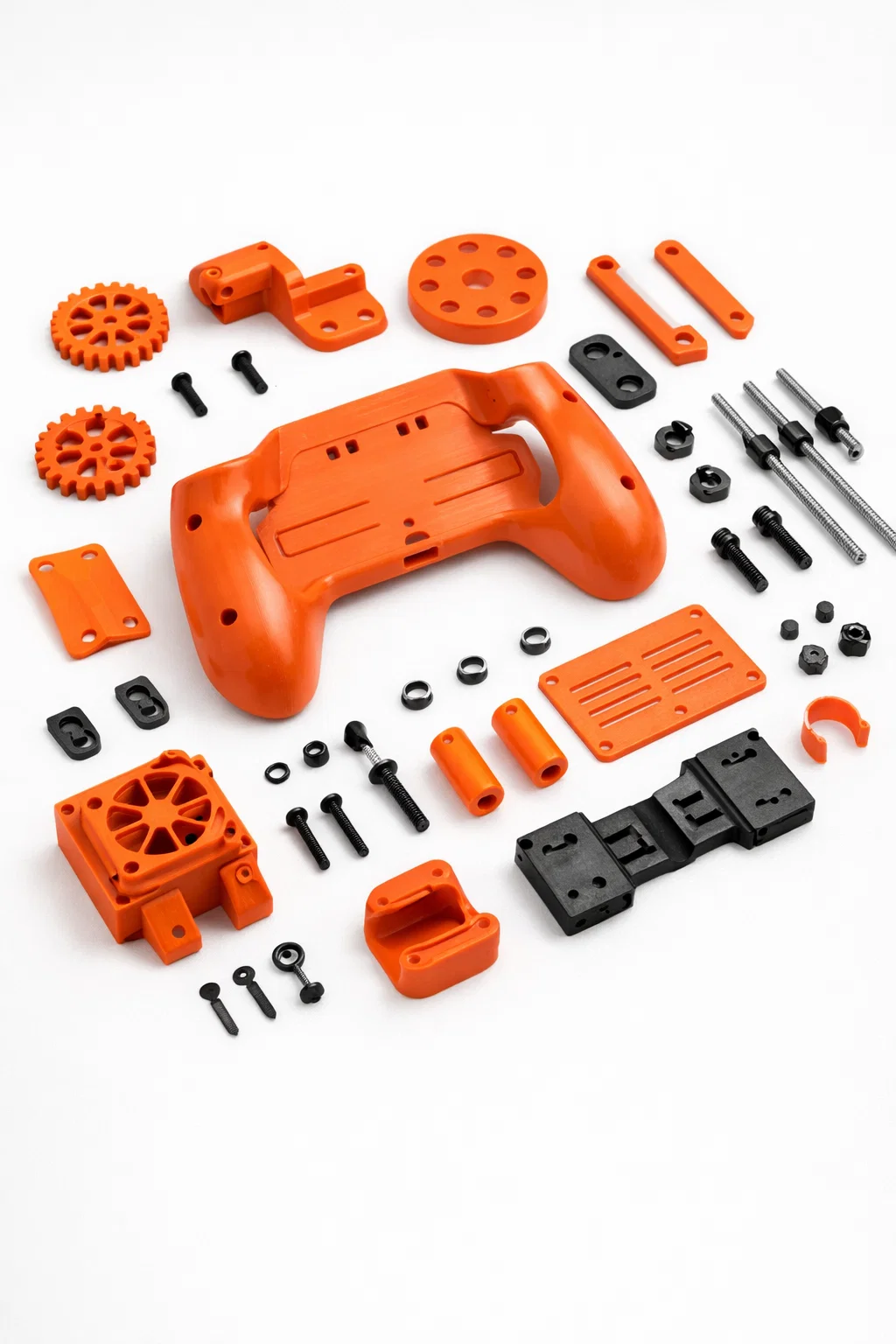
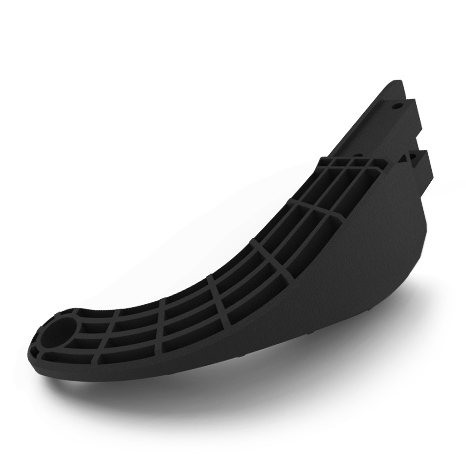
The future of manufacturing in Africa is being shaped by technology, supply chain shifts, and a growing emphasis on local production. 3D printing and additive manufacturing are part of that story—not as a replacement for every traditional process, but as a complement that enables faster prototyping, flexible production, and more resilient supply chains. In South Africa and across the continent, this is creating new opportunities for businesses, engineers, and communities.
Why Local Manufacturing Matters
Reliance on long, fragile supply chains has been exposed by global disruptions. Local manufacturing shortens lead times, reduces dependency on imports, and can lower logistics cost and risk. 3D printing is inherently local in the sense that the part is made where the machine is—so building capacity in South Africa, Kenya, Nigeria, and elsewhere means that more parts can be produced on the continent instead of being shipped from overseas. That doesn’t mean every part will be 3D printed; it means additive manufacturing is one of the tools that make local production more viable for a wider range of products and volumes.
Where 3D Printing Fits in the Mix
3D printing won’t replace injection moulding or casting for high-volume commodity parts. It does excel for prototypes, custom and low-volume parts, tooling, and repair components. As the technology and materials improve, the "breakeven" volume at which traditional manufacturing becomes cheaper continues to rise—so more products can be made economically with 3D printing for longer in their lifecycle. In Africa, that means startups can prototype and launch without large tooling investment; industries can maintain equipment with 3D printed spares; and healthcare and education can access custom and low-volume parts without long import delays.
Skills and Ecosystem
The future of manufacturing depends on skills: design, engineering, machine operation, and supply chain management. Training and education in CAD, additive manufacturing, and related fields are growing in South Africa and elsewhere. Universities, technical colleges, and private providers are offering courses and partnerships with industry. At the same time, the ecosystem of AI-powered manufacturing platforms—like 3D Printing Village in Cape Town—gives businesses and individuals access to professional-grade manufacturing without having to own equipment, lowering the barrier to entry and accelerating adoption.
Sustainability and Efficiency
Additive manufacturing can reduce waste compared to subtractive processes (less material removed and discarded) and can enable lightweighting and part consolidation in design, which can improve energy use in transport and in use. Local production also cuts the carbon footprint of long-distance shipping for many parts. These benefits are context-dependent but are part of the narrative for a more efficient, responsive manufacturing sector in Africa.
What to Expect in the Next Decade
Expect more local 3D printing hubs and manufacturing operating systems across the continent; more industry adoption in automotive, mining, healthcare, and consumer goods; and closer integration with traditional manufacturing (e.g. 3D printed tooling for moulding, hybrid processes). Policy and investment in infrastructure and skills will influence how fast this grows. For businesses and individuals, the takeaway is that the future of manufacturing in Africa will be more digital, more distributed, and more capable of producing what’s needed, where it’s needed—with 3D printing as a key enabler alongside machining, moulding, and other methods.
Getting Involved
Whether you’re a designer, engineer, entrepreneur, or procurement manager, now is a good time to explore how 3D printing and local manufacturing can support your goals. Start with a prototype or a replacement part; learn the design and material basics; and build a relationship with a local supplier. For a practical start, see what is 3D printing? A South African guide, and for scaling up see prototyping to production: scaling your product. The future of manufacturing in Africa is being built today—and 3D printing is part of it.