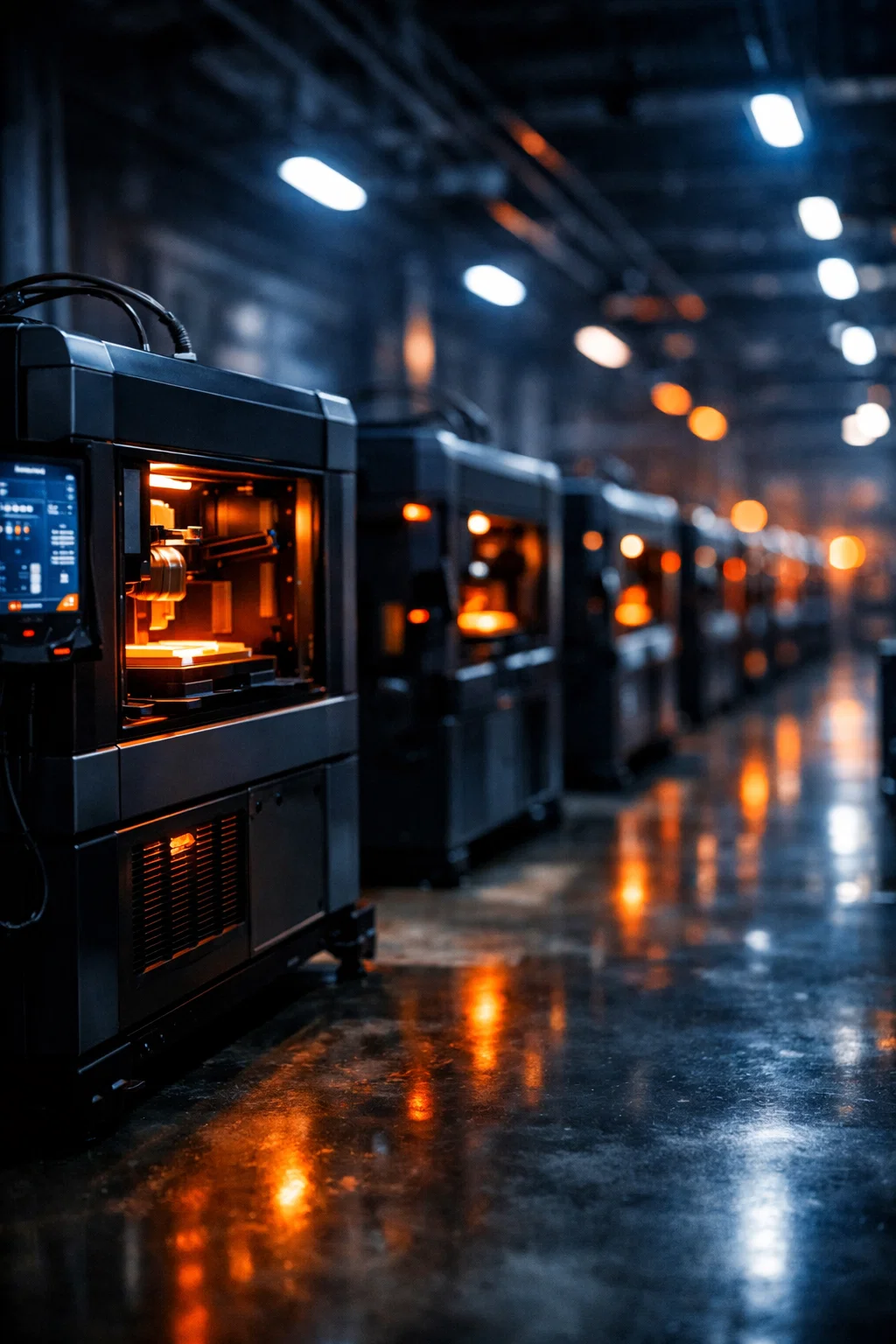
We didn't start with 3D printers. In 2014 we started making cups in Cape Town — real production work, deadlines, moulds, and all the lessons that come with running a floor. Around 2018 the first 3D printers arrived, and something changed: people started bringing us broken things. A garage-door cog nobody sells anymore. A shower-door track that was discontinued years ago. A wheelie-bin hinge that snapped long before the bin gave up.
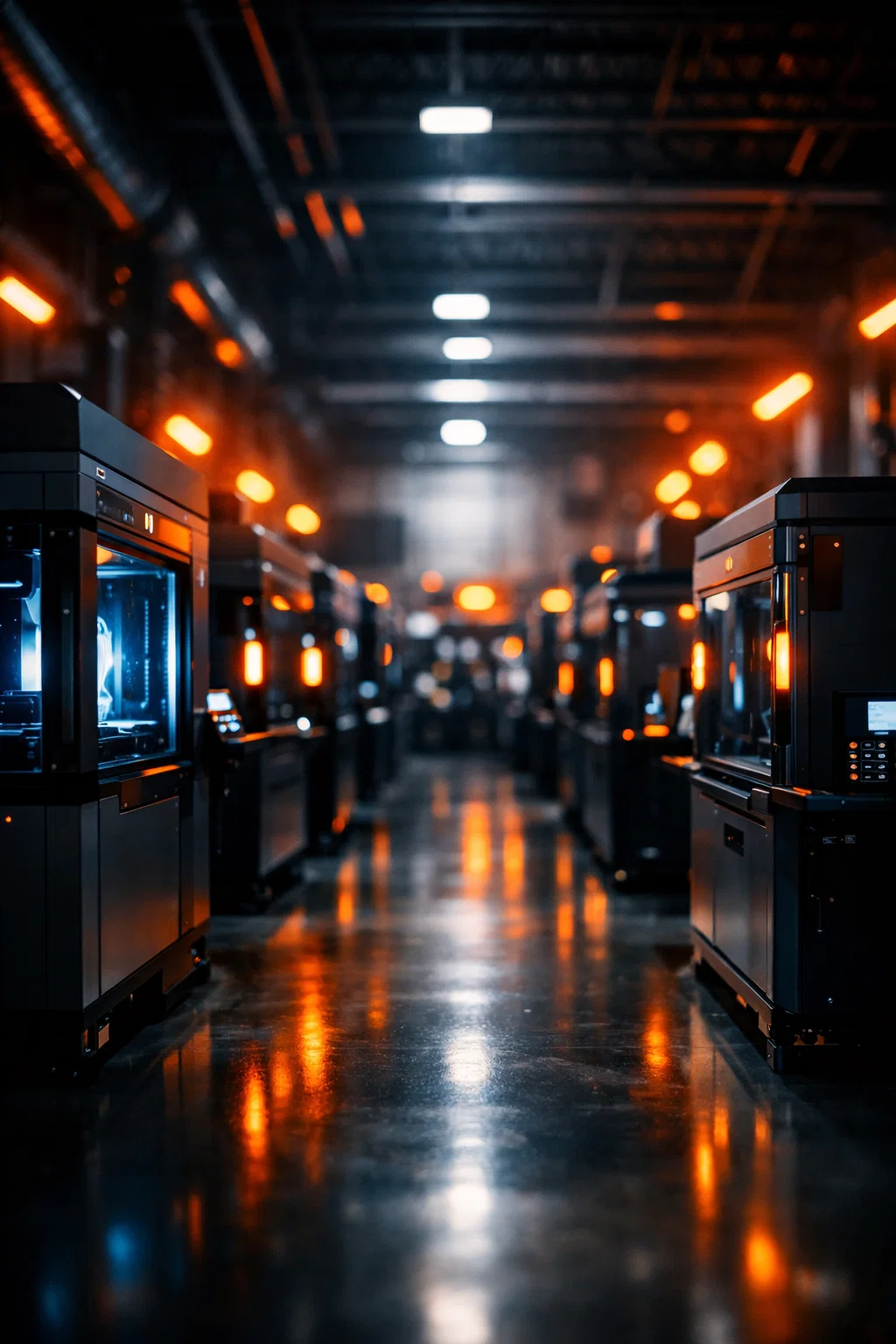
Today, from that same floor at 6-8 Perfecta Road in Paarden Eiland, we print custom and replacement parts. This blog is where we share what happens on that floor — the jobs, the failures, the lessons — week by week, in our own words.
The Problem We Keep Seeing
The pattern behind most of our work is the same: a part broke, the manufacturer stopped making it, and the official answer is "buy the whole assembly" or "wait for the ship from overseas". Weeks at sea, customs, forex — for a piece of plastic that weighs forty grams. That maths never made sense to us.
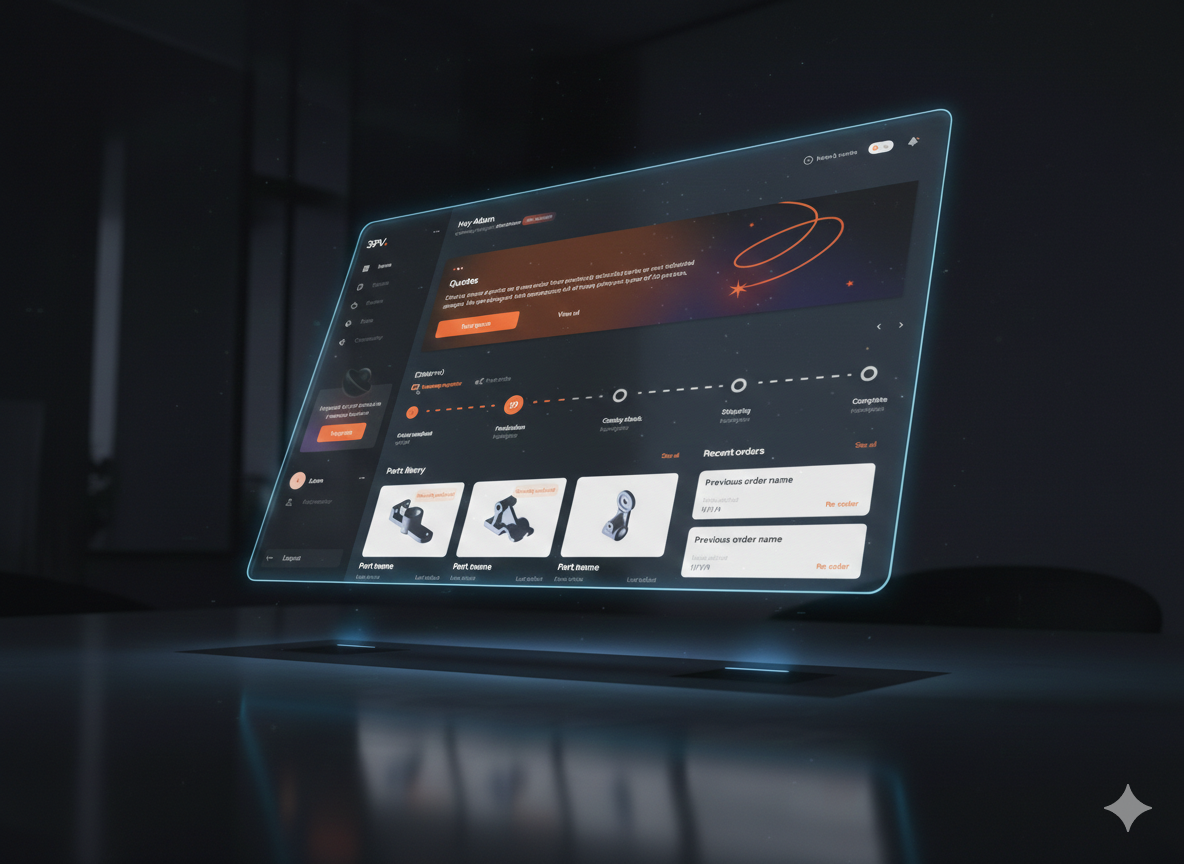
3D printing changes that maths. There's no tooling to pay for, no minimum order of ten thousand units. If you have a CAD file, our software drafts a price in Rands from the actual geometry — an engineer double-checks after you pay. If all you have is the broken part, bring it in and we'll measure and model it ourselves. A surprising amount of our work starts as a photo of a broken part on a kitchen table.
That's the whole story, honestly told: cups first, printers later, parts today. In the coming weeks we'll write about the jobs that cross our floor and what they teach us. If you have a part that's discontinued or a prototype that needs to exist — get a quote or meet the team.