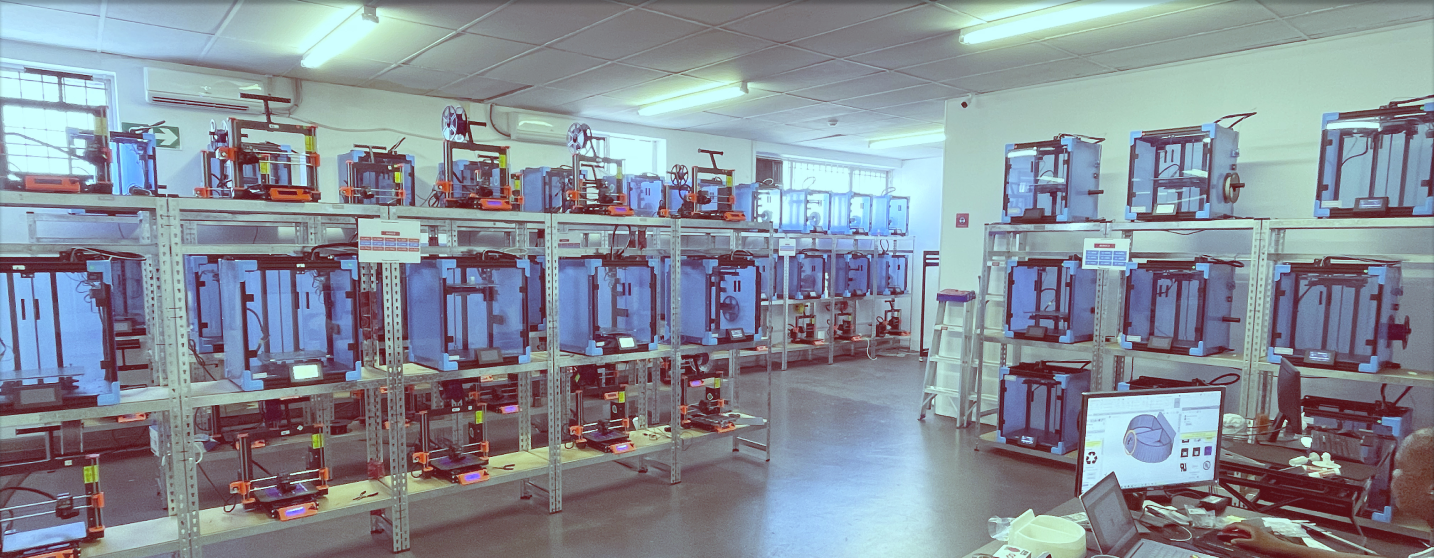
Insurance assessors, brokers, and repairers in South Africa are increasingly turning to 3D printing to resolve claims faster and at lower cost. When a discontinued or hard-to-source part is the only thing standing between a repairable product and a write-off, 3D printing can supply that part locally—often within 48 hours—reducing claim duration, improving customer satisfaction, and keeping repair costs under control.
The Problem: Obsolete and Unavailable Parts
Many claims involve products that are a few years old: appliances, vehicles, industrial equipment. Manufacturers often stop supplying spares after a certain period, or stock is limited and slow to import. The result can be a lengthy wait for a part, or a decision to write off an otherwise repairable item. Both increase cost and frustration. 3D printing offers a third path: manufacture the part on demand, in South Africa, without relying on legacy supply chains.
How 3D Printing Fits Into the Repair Workflow
Once the required part is identified, the repairer or assessor can send a broken sample, photos and dimensions, or (if available) a part number and spec to a 3D printing service. The part can be reverse-engineered if necessary, then 3D printed in a material suited to the application (e.g. durable plastic for mechanical components, heat-resistant material for engine bays). Delivery in 24–48 hours is common for single parts, so repair timelines stay short and the claim can be closed sooner.
Benefits for Insurers and Assessors
- Faster claim resolution – No long waits for imported spares; parts are produced locally.
- Lower repair cost – Avoid writing off items that only need one component; repair cost often below replacement.
- Consistent quality – Parts are made to match the original geometry and material class; repeatable for similar claims.
- Audit trail – Digital model and manufacturing record support documentation and quality assurance.
Benefits for Repairers and Customers
Repairers get a reliable local source for odd or discontinued parts instead of hunting for NOS (new old stock) or second-hand units. Customers get their product back in working order without replacing the whole system. For white goods, vehicles, and equipment, that can mean significant savings and less waste.
Practical Considerations
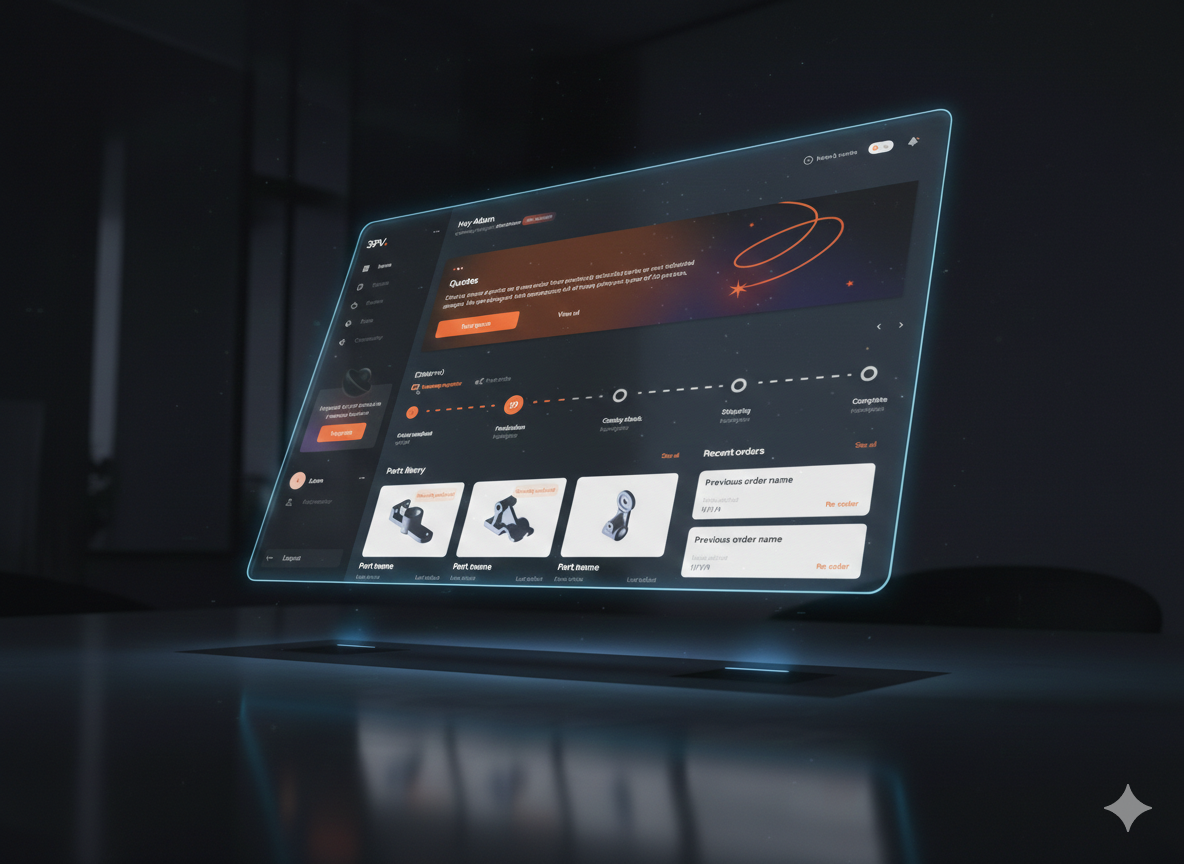
Not every part is suitable for 3D printing: very high-precision or safety-critical components may require OEM or certified parts. But many mechanical, cosmetic, and structural components can be reproduced in engineering-grade plastics or, where needed, metal. Establishing a relationship with a 3D printing partner—and knowing when to request a quote—helps integrate this option into your claims and repair processes. 3D Printing Village works with assessors and repairers across South Africa; we can quote from a photo and description and advise on feasibility and material.
Next Steps
If you handle insurance or warranty repairs, consider trialling 3D printing on a few claims where the bottleneck is a single unavailable part. For a full guide to replacing discontinued parts (including reverse engineering and material choice), see replacing discontinued parts: a complete guide. For our dedicated insurance and repair offering, visit our insurance page.